

What is the Real Right of Conservation and how does it protect your investment?

The Real Right of Conservation (DRC) is a key legal tool that guarantees the protection of ecosystems and the stability of your property's value. In this article, we will explore in detail how the DRC works, how it protects both the natural environment and harmonious coexistence among property owners, and how the Rubens River Conservancy Foundation ensures its enforcement.
1. What is the Real Right of Conservation?
The Real Right of Conservation (DRC) is a legal mechanism that imposes clear and specific restrictions on land use, with the goal of protecting the natural environment in the long term. When applied to projects like Life in Patagonia , it ensures that natural areas, such as forests, rivers, and biodiversity, are not altered by irresponsible human activities or uncontrolled development. This tool ensures that both natural resources and the landscape continue to be enjoyed by future generations, preserving the beauty of the place.
The DRC not only protects nature in its original state, but also establishes a solid framework for the sustainable development of the plots, ensuring that any intervention on the land respects the principles of conservation and harmony with the environment.
2. Why is the DRC so important?
The DRC is fundamental to preserving the unique character of Life In Patagonia projects. Without clear rules, it is common to see plots deteriorate rapidly in other developments due to poorly planned construction, industrial activities, or waste accumulation. In contrast, with the DRC, any intervention on the plots must comply with strict standards that guarantee the preservation of the environment and respectful coexistence among owners.
This means there will be no makeshift houses built on undefined sites or that disregard established regulations, thus protecting both the ecosystem and the views. Unlike a simple internal regulation, the Conservation Right (CRR) has the legal force of a property right , allowing for significant fines and concrete actions to be taken in response to any violations. Registered as a property right, the CRR legally binds current and future owners, ensuring effective and lasting control. This guarantees that individual decisions will not negatively impact the overall project value or the enjoyment of the natural environment.
3. What types of activities are prohibited under the DRC?
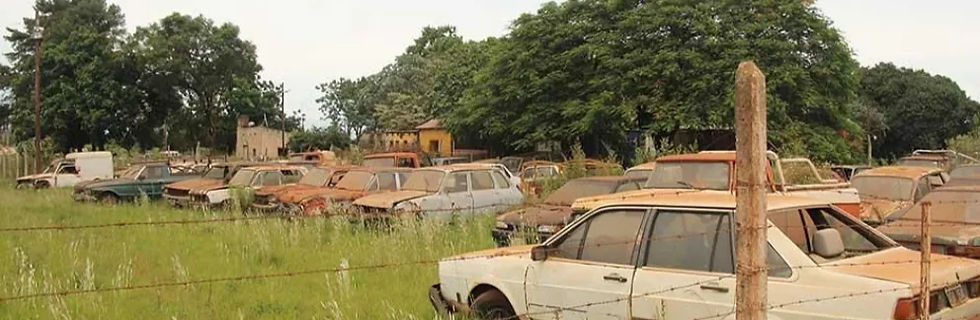
The DRC establishes specific rules prohibiting activities that alter the natural environment or negatively impact the quality of life of property owners. These restrictions include, but are not limited to:
Inappropriate or undefined constructions : Owners are prevented from building without following established guidelines or outside designated areas to avoid negative visual and environmental impact.
Accumulation of scrap metal and materials : It is not permitted to store construction materials, waste or any type of scrap metal on the plots, as this affects both the aesthetic value and the conservation of the area.
Industrial activities : The use of the land for industrial activities is strictly prohibited, preventing the natural environment from being affected by pollution or noise.
Forest felling : Indiscriminate tree felling is prohibited, thus protecting native forests and biodiversity in the area, except in areas approved by the relevant agencies and under strict management plans.
These prohibitions ensure that the dynamics within the land parcel maintain the necessary balance to protect biodiversity and the quality of life of all owners.
Each DRC is unique and will have its own rules, so it will depend on which dynamics you want to exclude or protect.
4. Who will enforce the rules to avoid harming the ecosystem?
To ensure that the rules are respected and that the ecosystem is not harmed by unsustainable practices, we have created the Rubens River Conservancy Foundation . This entity will hold the Conservation Right and will be responsible for ensuring that each landowner complies with the established regulations to protect the environment.
The foundation will not only ensure that there are no harmful activities, but will also promote the responsible use of the land.
You can find more information about the foundation on its website.
or see the convervation page on Life in Patagonia to know more about the rol of Rio Rubens Conservancy.
How does the Rubens River Conservancy Foundation guarantee compliance with the DRC?
The Rubens River Conservancy Foundation is responsible for enforcing the DRC . This foundation has the legal tools to intervene in cases of non-compliance with conservation rules, including:
Imposition of sanctions : On owners who violate the rules.
Legal actions : To protect the ecosystem from harmful activities.
Restoration of the affected area : If any damage is caused to the environment, the foundation will ensure that the offender remedies the damage.
Thanks to the foundation's intervention, the owners can rest assured that the place will be kept in perfect condition and that any violations will be dealt with seriously.
To cover supervision and management costs, all property owners will contribute a monthly fee, which will go directly to the foundation. This amount will be used to ensure the conservation and monitoring of the area.
What makes Life in Patagonia different from other projects without DRC?
In many projects lacking a Real Right of Conservation , owners, protected by their property rights, have complete freedom to carry out activities that, while legal, can damage the environment, leading to visual and environmental degradation. It is common to see unplanned construction, accumulation of materials, or even industrial use of the land, which affects both neighbors and the ecosystem.
With the DRC , these situations shouldn't occur. Here, the regulations are designed to protect not only the environment but also the coexistence of the owners, ensuring that the project maintains its value and harmony over time.
Conclusion
The Real Right of Conservation is key to Life in Patagonia and not only protects the natural environment but also ensures that the dynamics within the development remain harmonious and respectful, preventing situations that could affect both the ecosystem and the value of your property. With the oversight of the Río Rubens Conservancy Foundation , you can be confident that your investment is protected and that the nature surrounding your plot will be preserved for future generations.


Comments